湿腌全鸡胸 Wet Brine Whole Chicken Breast
腌制鸡胸肉的方式有非常多种,但是论最方便,最快,最省心,最合适用于各种菜肴的腌制方式,就是湿腌了(虽然我不确定英文翻译过来是不是真的叫湿腌XD)。湿腌全鸡胸, 没错,我刻意强调全鸡胸,因为全鸡胸是通常煮起来最干那个。这方法指的是用盐水去腌制,不只是合适全鸡胸,其它厚切肉类也一样有效哦!
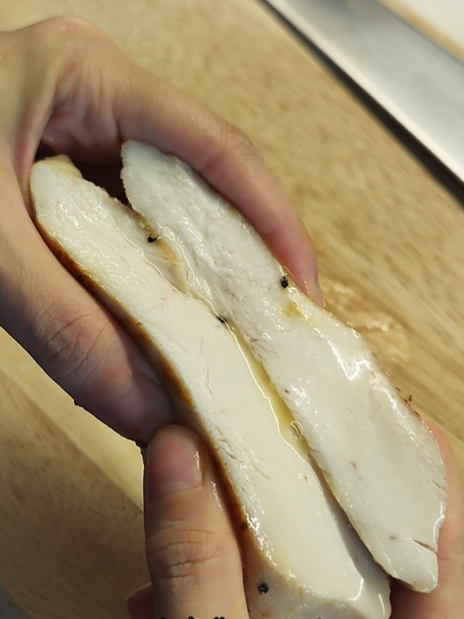
湿腌全鸡胸
- 为什么我优先推荐这个腌制方式?
- 所需要的食材
- 腌制重点
- 盐的占比
- 时间
- 水的用量
- 如何腌制
- 冷冻
- 注意事项
- 怎么做出其它口味?
- 如何把鸡胸煎得嫩嫩的呢?
为什么我优先推荐这个腌制方式?
- 简单的公式 – 最基础的腌制盐水,就只需要盐和水。但即便只是基础的盐水,就已经可以让鸡胸肉不用搭配酱汁也很好吃!
- 方便省事,尤其适合备餐 – 只需要盐水就可以迅速把一堆鸡胸腌起来,不用切鸡胸,也不用做额外的腌料来腌制,还可以轻易地分装冷冻备用。
- 可多样化 – 烹饪方式不受限,想用它来制作任何菜肴都行,随时任意发挥~
- 可增添任何风味 – 在这个盐水的基础上,可以加入任何你喜欢的辛香料来给鸡胸肉增添风味
- 适合厚切肉类/全鸡胸肉 – 比起一般各种口味的腌料,盐水是液体,能通过渗透作用进入鸡胸肉的最深处,给整块鸡胸从里到外做调味,而不是只停留在表面
- 给缺乏油脂的鸡胸补水 – 补足水份的鸡胸,吃起来更嫩,当然了,前提还是不过度烹饪 XD
所需要的食材
简单到不行…可是却可以大改鸡胸肉原本的味道,让它吃起来鲜咸可口!
- 盐(6%-8%)
- 水
- 胡椒粉(推荐)
腌制重点
盐的占比 ——
一般上我建议大家用6% – 8% 的盐份来腌制全鸡胸肉,这里的巴仙率指的是盐在水里的占比。比如说,如果是6%,那100g的水,就需要6g的盐,1000g的水,就需要放60g的盐,以此类推。我个人通常用8%,因为8%的盐水腌出来的鸡胸适合任何烹饪方式,即便是水煮,煮出来也绝对不会谈谈无味。当然了,对于非常淡口味的你也可以把盐份调整至你喜欢的占比哦~ 不过还是建议先从6%开始。
时间 ——
腌制时间:10-24小时(冷藏)
不管是任何肉类,或者任何腌制方式,时间永远都是非常重要的元素之一,再强的腌制方式,如果时间不足,盐分根本来不及深入扩散到鸡胸肉内部,也无法真正改变蛋白质的结构。不过时间是需要和盐分的浓度做配合的。比如说如果我用8%的盐水,那最长的腌制时间不建议超过一晚,也就是大概腌12小时左右就够了,而6%的话,因为盐分的浓度较低,可以腌制长达24小时也无所谓~
总的来说,时间越长,盐份越低;时间越短,盐份越高。
水的用量 ——
除了时间以外,盐水的用量也是至关重要。以下简单举几个例子:
一样8%的盐水,一样是280g的鸡胸肉,一样是腌制12个小时;
- 鸡胸肉A 用了50g的盐水来腌制,味道刚刚好
- 鸡胸肉B 用了100g的盐水来腌制,咸死了
这就是非常鲜明的对比,即便是盐在水里的占比是一样的,但是水的用量多了,盐的总份量自然也更多,所以如果太多盐水来腌制一块鸡胸肉,就会变得很咸。如果不限制盐水的用量,那另一个方法就是限制时间,因为在短时间内能渗透进鸡胸里的盐分有限,不管是你用多少盐水。再以刚刚一样的条件来举个例子,8%的盐水,280g 的鸡胸肉,不过这次调整了时间:
·3. 鸡胸肉C 用了 100g 的盐水来腌制,但只腌了一小时,整体吃起来刚刚好(但可能内部会比较淡)
总的来说,盐, 水,和时间,这三个都是有相互作用的关系,只要你了解到了这一点,就可以根据自己的需求来任意做任何调整哦嘻嘻~
如何腌制
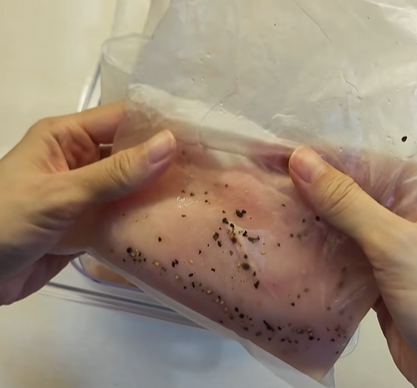
把胡椒粉和盐充分融化进水里,再拿去腌肉,然后冷藏或者冷冻,就这么简单。
~视频教程~
视频里的盐水和鸡胸肉的比例,仅供参考:
水(包括冰块)200g
盐 16g (8%)
白胡椒粉
黑胡椒碎
—— 可腌制 4 块全鸡胸
冷冻
如果你是为了冷冻备餐而腌制鸡胸肉,那你有两个可选择的做法:
- 先让鸡胸肉在冰箱冷藏处完成腌制,倒掉盐水,再分装冷冻。
- 直接分装鸡胸肉,一起装上盐水,带着盐水冷冻。(如视频显示)
对我个人来说,第二个方法比较方便,是我常用的方式。不过需要注意的是,冷冻的时间是不被算在腌制的时间里的,也就是说,如果你的鸡胸肉需要腌制12小时,那你今天把鸡胸肉从冷冻处里移去冷藏处,明天就正好可以煮来吃~ 再继续举例,万一你的鸡胸已经完全解冻,,而且超过腌制的时间了,但是你忘了用或者突然没时间煮,用不上,那就把盐水倒掉就好了,鸡胸可以继续保存在冷藏处里一两天~ 我自己就常常这样哈哈,计划赶不上变化嘛!
注意事项
如果你会一次性把很多鸡胸腌起来,记得要用冷一点水来给鸡胸加速降温哦~ 以确保重叠起来的鸡胸也不会因为长时间处于常温的状态,而导致食品安全的问题~
⚠️如果有用冰块,冰块的重量也是总水量的一部分。
怎么做出其他口味?
在这个盐水的基础上,可以按自己的喜好,加入各种不同的辛香料或者香草类,来给鸡胸肉增添风味,比如 ——
- 麻花椒
- 黑白胡椒
- 八角,丁香,肉桂
- 香菜籽,孜然粒,小茴香,干辣椒
- 姜片,蒜头,葱
- 香茅,南姜,青柠叶
- 百里香,迷迭香,月桂叶
- 咖喱粉,黄姜粉,辣椒粉,五香粉
不过有两点需要注意的是,整颗的辛香料需要稍微敲碎,或者和盐水一起煮沸,才能更好的释放香气;而粉类则需要下手重一些,毕竟比起干腌,湿腌还有不少水份会稀释了辛香料粉的味道。
如何把鸡胸煎得嫩嫩的?
请看VCR:
There are countless ways to marinate chicken breast, but when it comes to the most convenient, quickest, and fuss‑free method that works across all kinds of dishes, wet brining takes the crown。
Wet brining the whole chicken breasts—yes, I’m emphasizing whole breasts here, since they’re usually the driest when cooked—means soaking them in saltwater. And this method isn’t just great for chicken breast; it works wonders for other thick cuts of meat too!
Wet-Brined Whole Chicken Breast
- Why do I recommend this method ?
- All you need
- Key points on Brining
- Salt Percentage
- Time
- Amount of Brining Solution
- How to brine?
- Freezing tips
- Important notes
- Flavour variations
- How to easily cook the whole chicken breast to perfection?
Why I Recommend Wet Brining
- Simple formula – The basic brine is literally just salt and water. Even with nothing else, chicken breast will turns out flavorful enough to enjoy without sauce.
- Convenient for meal prep – You can brine a batch of chicken breasts quickly with just salted water. No need to cut, no need to mix complicated marinades, and they’re easy to portion and freeze.
- Versatile – Works with any cooking method and dishes. Grill, pan-sear, poach, stir-fry—your choice.
- Customizable – Add any spices or aromatics you like to the brine for extra flavor.
- Perfect for thick cuts – Unlike dry rubs, liquid brine penetrates deepcd into the meat, seasoning it from the inside out.
- Moisture boost – Chicken breast is lean, but brining helps it retain water, making it juicier—as long as you don’t overcook it!
All you need
- Salt(6%-8%)
- Water
- Pepper (recommend)
Key points on brining
Salt percentage % ——
I generally recommend using 6–8% salt for brining whole chicken breasts. Here, the percentage refers to the proportion of salt in the water.
For example:
- At 6%, you’ll need 6g of salt for every 100g of water.
- Scale it up: 60g salt for 1000g water, and so on.
Personally, I usually go with 8%, because chicken brined at this strength works well with any cooking method—even poaching in plain water will taste flavorful on itself, not bland.
Of course, if you prefer a very mild taste, you can adjust the salt level to suit your palate. But I’d suggest starting at 6% as a baseline, then experimenting from there.
Brining Time ——
- 10–24 hours in the fridge
- Strong brine + short time; weaker brine + longer time.
- Example:
- 8% brine → about 12 hours max
- 6% brine → up to 24 hours
Time is always one of the most important factors. Even the strongest brine won’t have enough effect if the meat isn’t given enough time—salt simply won’t penetrate deeply, nor will it alter the protein structure inside the chicken breast.
Rule of thumb: Longer time = lower salt. Shorter time = higher salt.
Amount of brining solution ——
The amount of brining solution matters just as much as salt concentration.
Example:
With the same 8% brine, 280g chicken breast, for 12 hours,
- Chicken A with 50g brine → perfectly seasoned.
- Chicken B with 100g brine → way too salty.
More brine = more salt in total. So make sure you don’t use too much brining solution for a small amount of chicken.
OR, you could control the brining time instead of amount of water. This is because with limited time given, limited salt will be penetrate into the meat.
Here’s another example, with the same 8% of brining solution, 280g of breast, but shorter brining time:
- Chicken C with 100g brine → taste just nice in overall (but the middle part might taste a little milder)
In conclusion, by understanding how each factor works and affects the result, you can alter them to suit your situation to the best.
How to Brine
Dissolve salt and pepper in water, submerge chicken in just enough of water, refrigerate or freeze. That’s it.
~Video Tutorial~
Reference ratio of brine to meat (in video):
200g water (including ice)
16g salt (8%)
White pepper
Crushed black pepper
—— Can brine 4 whole chicken breasts
Freezing Tips
Two options:
- Brine in the fridge first, and time’s up, discard brine, then freeze.
- Freeze chicken directly, together with brine (my go-to).
Freezing time doesn’t count as brining time. For example, if you plan to brine your chicken for 12 hours, move frozen chicken to the fridge today, it’ll continue to brine once it’s defrosted, then it’ll be ready to cook tomorrow.
If chicken is fully thawed and already brined longer than planned, just discard the brine and keep the chicken in the fridge for another day or two—it’s totally fine.
Important Notes
If you’re brining a big batch, use cold water (or ice) to quickly chill the chicken and keep it safe to consume.
⚠️ Ice counts as part of the total water weight.
Flavor Variations
Add your fav spices, herbs or aromatics to the brine for different flavour profile :
- Sichuan peppercorns
- Black & white pepper
- Star anise, clove, cinnamon
- Coriander seeds, cumin, fennel, dried chili
- Ginger, garlic, scallion
- Lemongrass, galangal, kaffir lime leaves
- Thyme, rosemary, bay leaf
- Curry powder, turmeric, chili powder, five-spice
Tips:
Ground spices: use more than you would in a dry rub, since water dilutes them.
Whole spices: crush lightly or boil with the brine to release flavor.
How to easily cook the whole chicken breast to perfection?
Here you go my buddy: