韩式干炸酱面 Korean Gan-Jjajangmeon
比起一般的韩式炸酱面(Jjajangmeon),韩式干炸酱面(Gan-Jjajangmeon)的酱汁是不经过勾芡的,酱汁本身更加浓缩,更浓郁,充满了食材的咸,鲜,甜,是一款非常经典的干捞面呢!
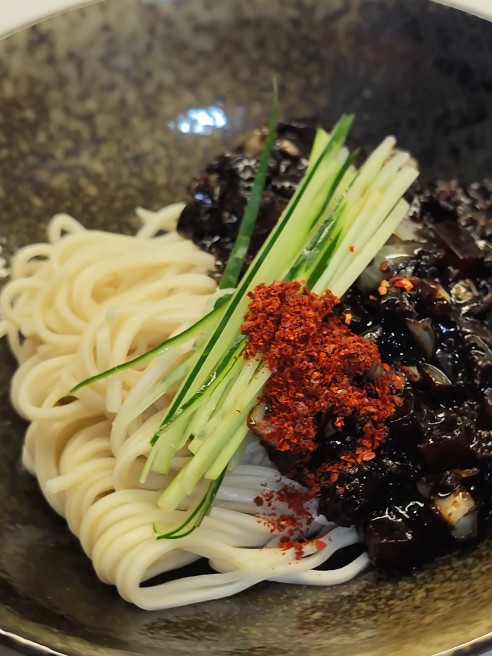
为什么你会喜欢这个韩式干炸酱面?
炸酱面顾名思义就是炸过的酱汁,拌面。这韩式干炸酱也不例外,最主要的酱香味还是来自于经过发酵的春酱(Chunjang) 一种类似甜面酱的黑酱。而之所以我觉得干炸酱比较好吃,是因为它的酱香更加浓郁,而不是勾芡而来的浓稠而已。这个食谱也用了马铃薯,让这个炸酱除了肉和蔬菜的鲜甜以外,吃起来口感更加丰富!
所需要的食材
干炸酱(4人份):
- 4tbsp 葱油
- 180g 春酱
- 1 颗 洋葱
- 1 棵 蒜苗
- 1 粒 马铃薯
- 250g 猪肉碎
- 1 tbsp 姜末
- 1.5 tbsp 蒜末
- 250g 包菜
- 2 tbsp 味淋
- 1tbsp 酱油
- 1.4 tsp 白胡椒粉
- 1/2 tbsp 糖
- 1/4 tsp 味精
- 1/2 tbsp 麻油
搭配:
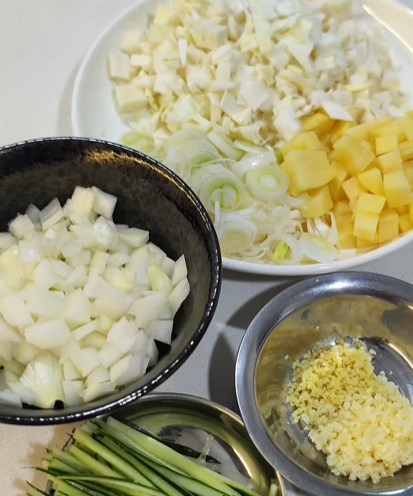
备料重点
葱油——
葱油香真是炸酱面的灵魂啊~ 不管是炸红葱头的葱油,或是炸青葱的葱油都可以。如果家里没有常备的葱油,那可以多切点洋葱,在炒洋葱的时候把一部分的洋葱刻意炸得更焦香一些,这样也可以煮出一样的味道哦~
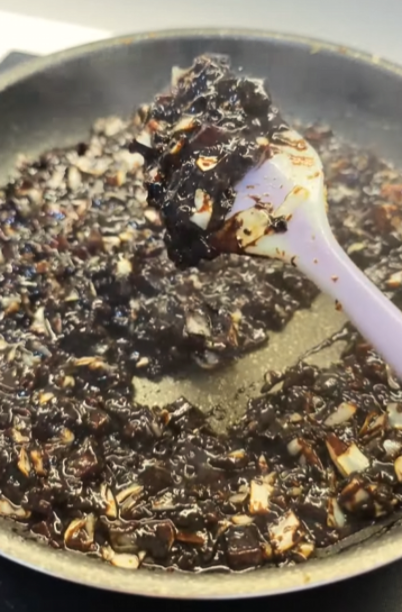
~ 视频教程 ~
料理步骤
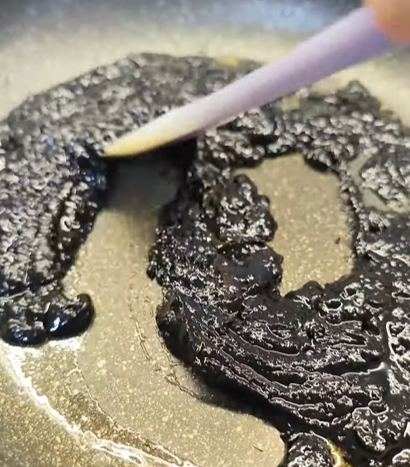
- 用葱油,中小火把春酱炒1-2分钟,炒香炒透
- 炒好的春酱倒在小碗里,分层的多余油脂再倒回锅子里来继续炒菜
- 先炒洋葱,炒至有点焦黄色,甚至更深(没用葱油的话)
- 把炒好的洋葱倒一半出来备用
- 放入蒜苗和马铃薯,大火块炒至有点焦香
- 加入猪肉碎,蒜末和姜末
- 把猪肉稍微炒至上色,用酱油,味淋和胡椒粉来重点调味猪肉
- 放入包菜,炸酱,前面预留的洋葱和剩余的调味料 – 糖,味精,麻油
- 适当加点水调整浓稠度
- 滚开后就可以马上出锅,
- 淋在你最喜欢的面条上
- 放上配料 – 黄瓜丝,韩国辣椒粉,开吃!
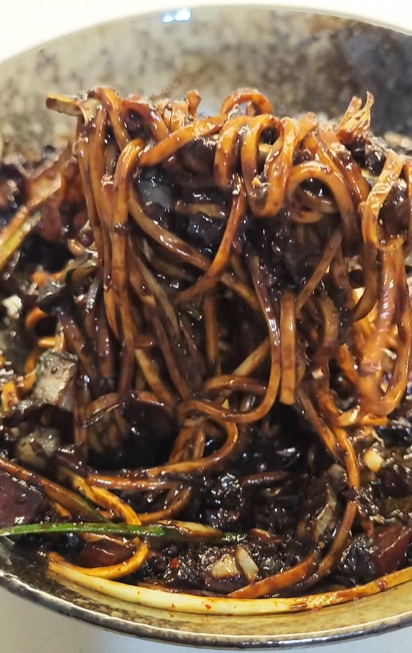
阿琴小贴士
不粘锅
煮炸酱的锅子最好是不粘锅,因为春酱本身非常容易粘锅,而且一粘锅就会糊化,就无法继续炒了,否则就会烧焦。因此用不粘锅才能更好的花多点时间来把春酱的苦涩味道给炒掉。即便是用不粘锅,在炒的过程中也一定不要贪快,中小火最佳,加上不断地搅拌,这样炒出来的春酱就会醇香哦!
配菜
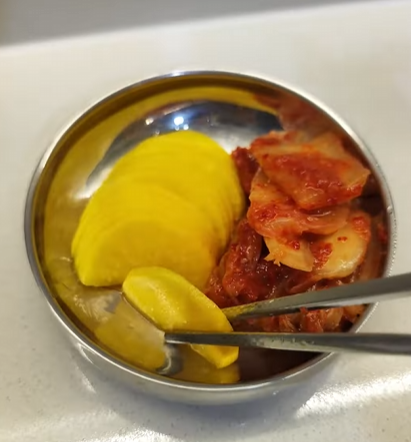
除了直接加在炸酱面的黄瓜丝和韩国辣椒粉以外,泡菜、黄萝卜(danmuji)或青葱泡菜(pa‑kimchi)都非常适合作为炸酱面的配菜。它们的酸爽口感恰好中和了炸酱的浓郁,就像三明治里的腌菜一样,让整道菜更清爽更开胃,让人忍不住还能再来一碗!
食材 Ingredients
步骤 Method
- 用葱油,中小火把春酱炒1-2分钟,炒香炒透
- 炒好的春酱倒在小碗里,分层的多余油脂再倒回锅子里来继续炒菜
- 先炒洋葱,炒至有点焦黄色,甚至更深(没用葱油的话)
- 把炒好的洋葱倒一半出来备用
- 放入蒜苗和马铃薯,大火块炒至有点焦香
- 加入猪肉碎,蒜末和姜末
- 把猪肉稍微炒至上色,用酱油,味淋和胡椒粉来重点调味猪肉
- 放入包菜,炸酱,前面预留的洋葱和剩余的调味料 – 糖,味精,麻油
- 适当加点水调整浓稠度
- 滚开后就可以马上出锅,
- 淋在你最喜欢的面条上
- 放上配料 – 黄瓜丝,韩国辣椒粉,开吃!
小贴士 Tips
Compared to regular Korean Jajangmyeon, the sauce of Gan-Jjajangmyeon isn’t thickened with starch. Instead, it’s more concentrated, richer, and brimming with the salty, savory, and sweet flavors of the ingredients themselves.
Korean Gan-Jjajangmyeon
Why would you love Gan-Jjajangmyeon?
Jjajangmyeon, true to its name, is noodles tossed with a fried sauce. The Korean Gan-Jjajang follows the same idea—the deep umami flavor comes from fermented Chunjang, a dark paste similar to Chinese Tian Mian Jiang. What makes the dry version so delicious, in my view, is that its taste is richer and more concentrated, because it is not diluted with water and then thickened with starch. This recipe also adds potatoes, which bring extra body and texture, complementing the natural sweetness of the meat and vegetables.
All you need
Gan-Jjajang (4 portions):
- 4tbsp Fried shallot oil
- 180g Chunjang
- 1 no Onion
- 1 stalk Leek
- 1 no Potato
- 250g Grounded pork
- 1 tbsp Minced ginger
- 1.5 tbsp Minced garlic
- 250g Cabbage
- 2 tbsp Mirin
- 1 tbsp Soy sauce
- 1.4 tsp White pepper
- 1/2 tbsp Sugar
- 1/4 tsp Msg
- 1/2 tbsp Sesame oil
To serve:
Ingredient notes
Shallot oil —
The aroma of shallot oil is truly the soul of Jjajang sauce. Whether it’s made by frying shallots or green onions, both work beautifully. And if you don’t usually have shallot oil standby at home, you can simply cut extra onions and stir-fry them until caramelized. That way, you’ll capture the same rich flavor in your sauce.
~ Video Tutorial~
Steps of making
- Heat scallion oil over medium‑low heat and sauté the chunjang paste for 1–2 minutes until fragrant.
- Transfer the fried paste to a small bowl, then pour the separated excess oil back into the pan to continue cooking.
- Start with the onions—sauté until they turn golden or even deeper (if you’re not using scallion oil).
- Take out half of the cooked onions and set aside.
- Add leeks and potatoes, stir‑fry over high heat until slightly charred.
- Stir in ground pork along with minced garlic and ginger.
- Cook the pork until lightly browned, seasoning it with soy sauce, mirin, and pepper.
- Add cabbage, the fried paste, the reserved onions, and the remaining seasonings—sugar, MSG, and sesame oil.
- Splash in a little water to adjust the consistency if needed.
- Once it comes to a boil, it’s ready to serve.
- Ladle the sauce over your ramen, top with cucumber julienne and a sprinkle of gochugaru, and dig in!
Cheen’s tips
Non-stick pan
It’s best to use a non‑stick pan when cooking jjajang, because chunjang paste tends to stick easily. Once it sticks, it scorches and the sauce can’t be cooked thoroughly and properly. A non‑stick surface lets you take the time needed to cook off the paste’s bitterness. Even with a non‑stick pan, don’t rush—medium‑low heat is ideal, and keep stirring constantly. That way, the chunjang will develops a deep, mellow aroma.”
Condiments
Beyond the cucumber and gochugaru that we top straight on to the ramen, kimchi, danmuji, or pa‑kimchi pair beautifully with jjajangmyeon as condiments. Their tangy bite balances the richness of the jjajang sauce—just like pickles in a sandwich—making the dish so refreshing and addictive that I could easily go for another bowl!
Full Printable Recipe
食材 Ingredients
步骤 Method
- Heat scallion oil over medium‑low heat and sauté the chunjang paste for 1–2 minutes until fragrant.
- Transfer the fried paste to a small bowl, then pour the separated excess oil back into the pan to continue cooking.
- Start with the onions—sauté until they turn golden or even deeper (if you’re not using scallion oil).
- Take out half of the cooked onions and set aside.
- Add leeks and potatoes, stir‑fry over high heat until slightly charred.
- Stir in ground pork along with minced garlic and ginger.
- Cook the pork until lightly browned, seasoning it with soy sauce, mirin, and pepper.
- Add cabbage, the fried paste, the reserved onions, and the remaining seasonings—sugar, MSG, and sesame oil.
- Splash in a little water to adjust the consistency if needed.
- Once it comes to a boil, it’s ready to serve.
- Ladle the sauce over your ramen, top with cucumber julienne and a sprinkle of gochugaru, and dig in!
小贴士 Tips
声明 Disclosure:
以下的链接会带你到 Shopee,方便查看真实产品。请大家务必货比三家哦,有时候线下 market 会更便宜!如果你通过链接购买,我可能会获得少量佣金,作为支持阿琴继续创作的一小部分❤️,但不会增加你的费用哦~ 我只推荐自己实际使用并认可的产品,所有推荐均基于真实体验,也是阿琴长期复购的厨房调料,请放心参考!
The links below will take you to Shopee, making it easy to check out the actual products. Please do compare prices — sometimes local markets can be cheaper! If you purchase through them, I may earn a small commission ❤️ — a tiny sprinkle of support that fuels more recipes. This won’t add any extra cost for you. I only recommend products I personally use and trust; these are items I’ve repurchased many times, so you can be confident they’re truly my reliable picks.
我的好物分享 My go‑to ingredient brands