泰式辣酱 Nam Prik Pao
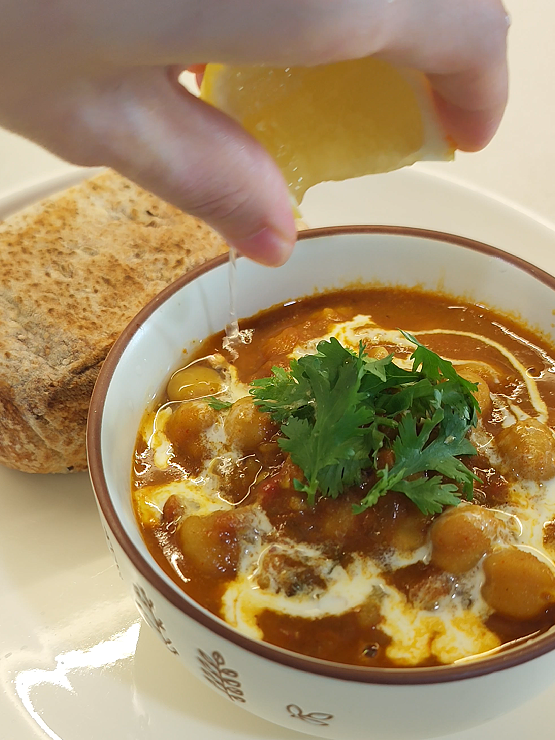
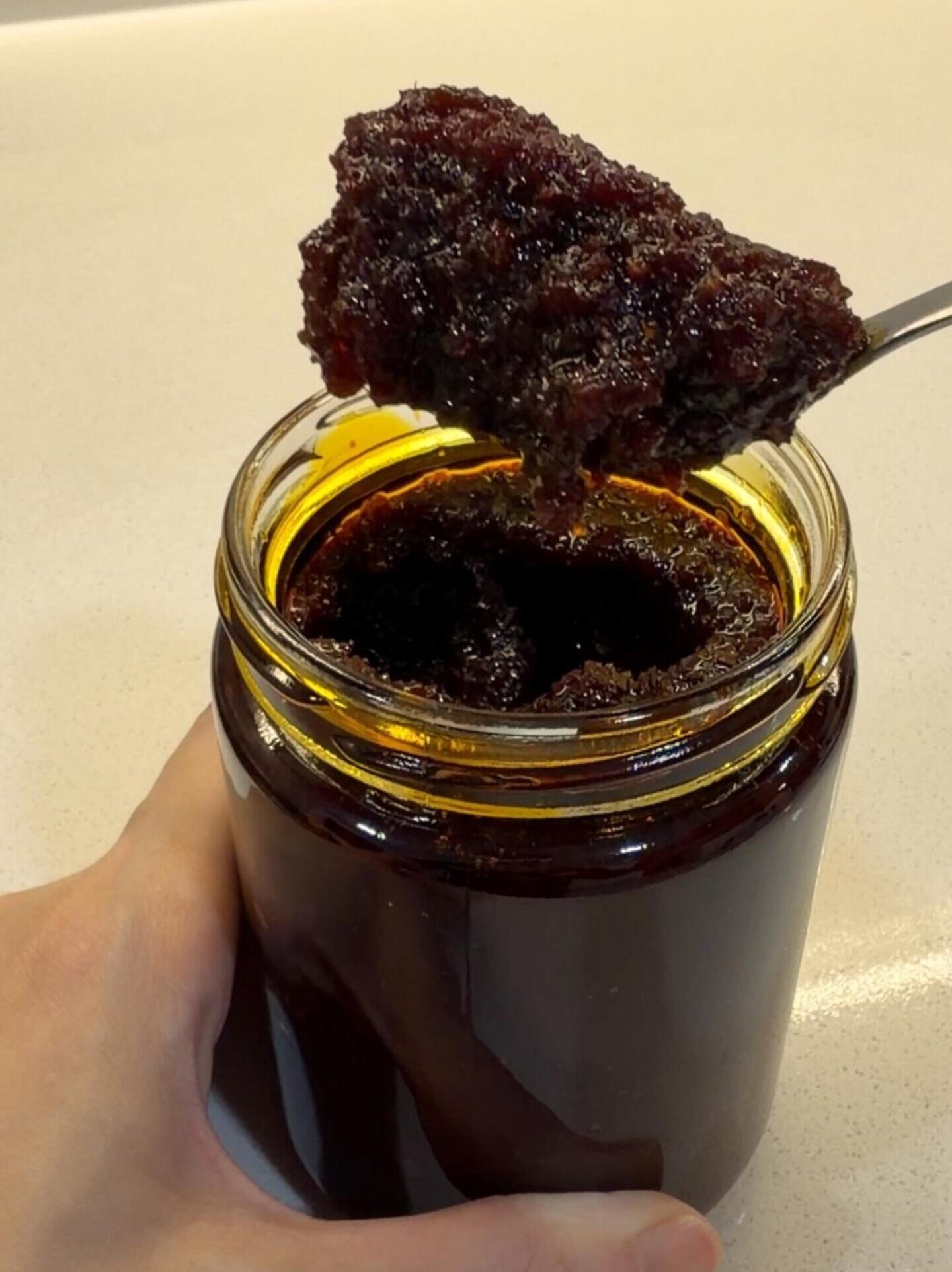
Nam Prik Pao 其实就是一种sambal (辣酱), 跟很多本地带有虾米类型的sambal大同小异,香香的,辣辣的,甜甜的。在泰国这是非常普遍被使用的辣酱之一,毕竟远近驰名的Tom Yum (冬阴)的核心调味酱正是这个 nam prik pao. 不过当然了,既然它也是一种sambal,除了用来制作 Tom Yum 以外,其它用处也是非常地广的哦!
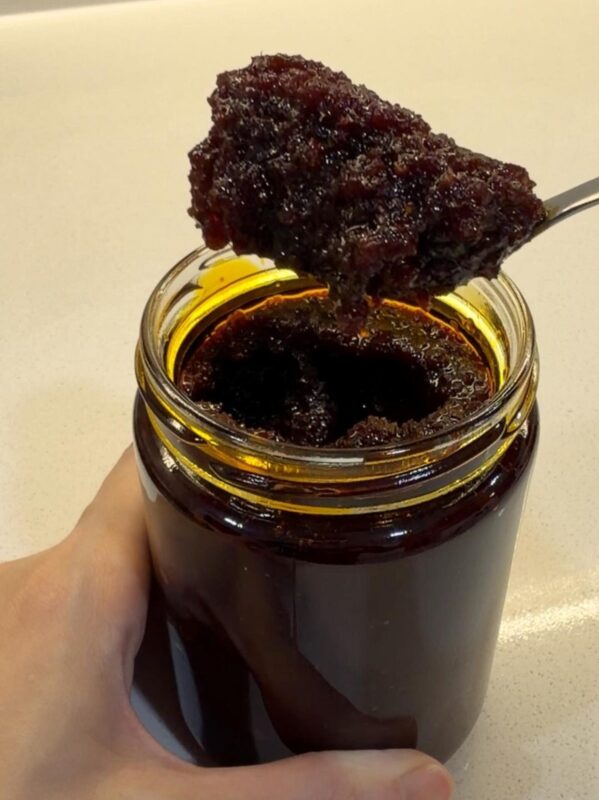
泰式辣酱
Jump to Recipe为什么你会喜欢这个泰式辣酱?
Nam Prik Pao 是一款辣中带咸,咸中带甜的辣酱,其中的咸味,或者可以说是鲜味,几乎都是来自于海鲜产品——虾米,鱼露,Belachan(峇拉煎)。风味如此丰富的Sambal, 即便是直接拿去单炒青菜,都会非常香哦!这也是我的冰箱必备酱料之一,因为懒懒的时候只要派他上场,直接抹在面包上再加颗太阳蛋我就很满足了呢!
所需要的食材
- 20g 甜辣椒干
- 30g 辣辣椒干
- 40g 虾米
- 200g 红葱头/小红葱
- 80g 蒜头
- 85g 椰糖
- 10g 峇拉煎(虾膏)
- 3 tbsp 鱼露
- 180g 红棕油/橄榄油, 或是其它烟点高的油脂
罗望子膏:
- 80g 罗望子(带种子)
- 100g 水
备料重点
干辣椒——
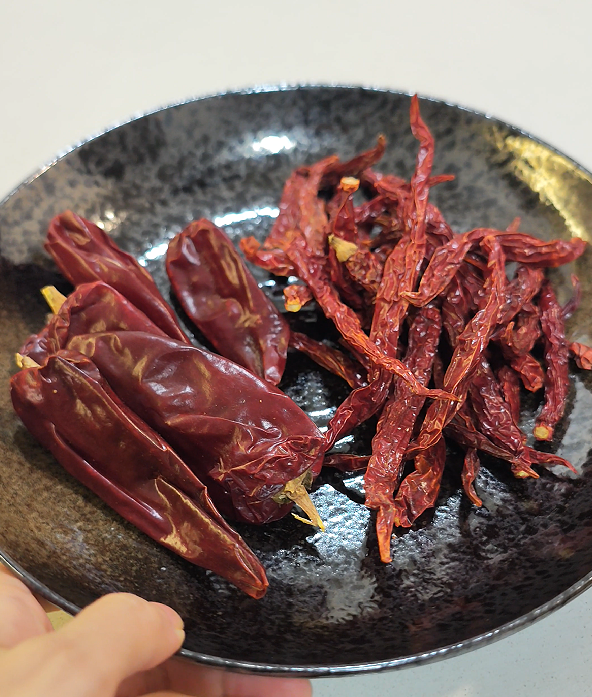
这食谱里干辣椒的重量是去了辣椒蒂头以后的重量哦~ 而为什么要用两种不同的干辣椒呢?因为甜辣椒干和辣辣椒干,本身拥有两种不同的风味呢!
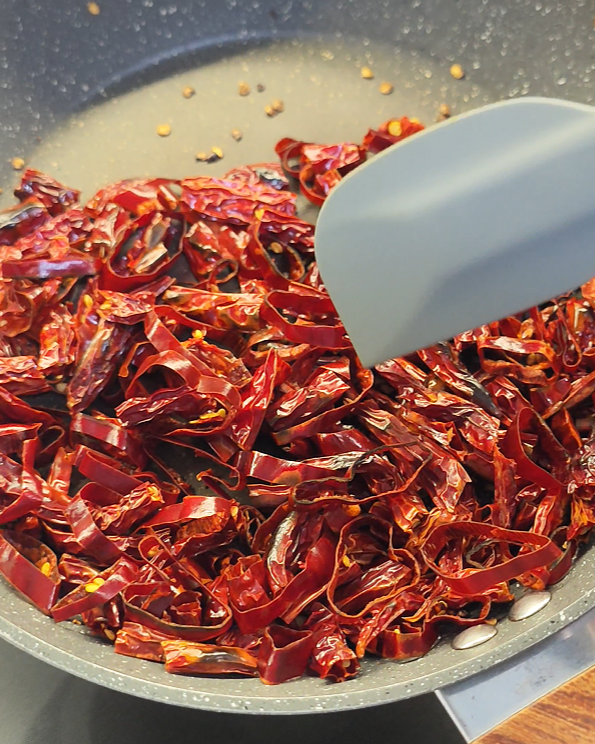
甜辣椒干,体积比较肥大的,本身带有天然的辣椒鲜甜,辣度非常低,而且有助于辣椒酱的颜色变得深红,使菜肴看起来更有食欲。不过甜辣椒干的皮肉比较厚,尤其是对马力没打那么强的搅拌机来说,会比较难磨碎,所以在清洗之后,建议先把它剪成细段,再拿去干炒。
辣辣椒干,体积比较细长的,主要给这辣椒酱带来香辣的效果。其实也有和它长得一样,但是比较不辣的辣椒干。在选购的时候可以看看标签,或是问商家,别买到了不辣的,否则辣椒酱在菜肴里被稀释了以后会进一步缺乏应有的风味,除非你希望辣度更低一些,否则这细长的辣椒干应该要选择辣口的哦~
峇拉煎(虾膏)
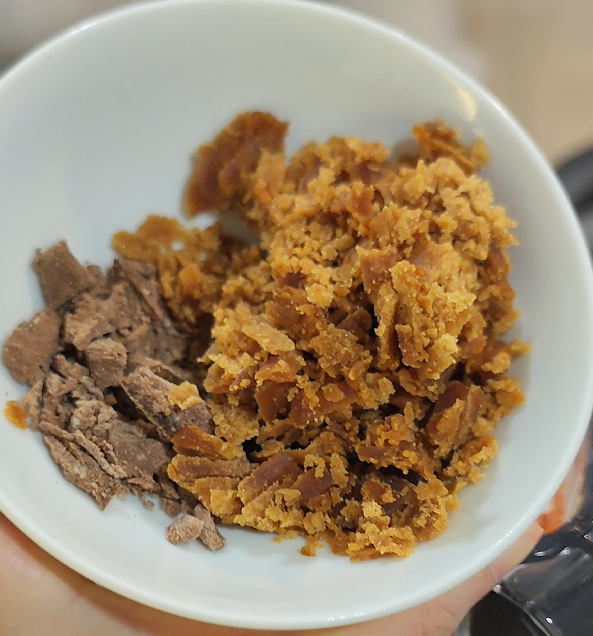
市售的虾膏有两大类型,一种是硬块状,一种是膏状。在本地,硬块状的虾膏通常直接被称为峇拉煎(Belachan), 而膏状的虾膏会被称为“虾膏”或是Prawn paste,来区分。制作辣椒酱通常是食用峇拉煎的,因为比起膏状的虾膏,峇拉煎的味道更加浓厚,只需要一小块就够了。加上他也不能和虾膏一样直接加进菜肴里面炒拌,或者是像Asam laksa 那样稀释之后直接加入面汤里作为调味料。如果生生地咬到峇拉煎,即便是一小块,我想也会被那咸“香”味呛晕,哈哈哈!
~ 视频教程 ~
料理步骤
- 把干辣椒快速清洗一遍,去蒂以后,确保份量足够,再剪成小段。
- 冷锅,放入干辣椒,用中火开始干炒,炒到辣椒完全干透,甚至有点脆和焦香,倒出一个碗中。
- 同样倒入虾米干炒,炒至水份完全干透,炒出香味。
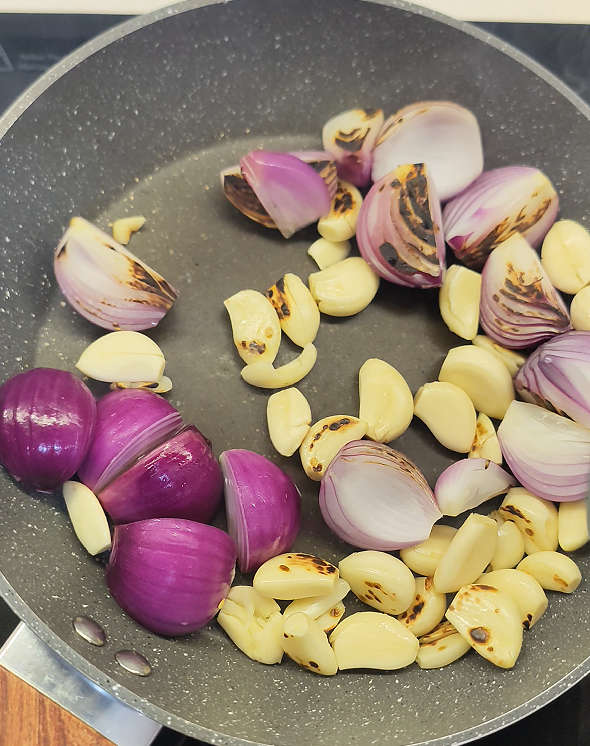
- 锅子里再放入红葱头和蒜头,把它们平坦铺开,用中火干煎,无需翻面,煎至有点焦(如图显示)
- 尽量避开碗底的种子,把干辣椒倒进料理机里磨碎。
- 接着放入虾米,一起打磨碎。
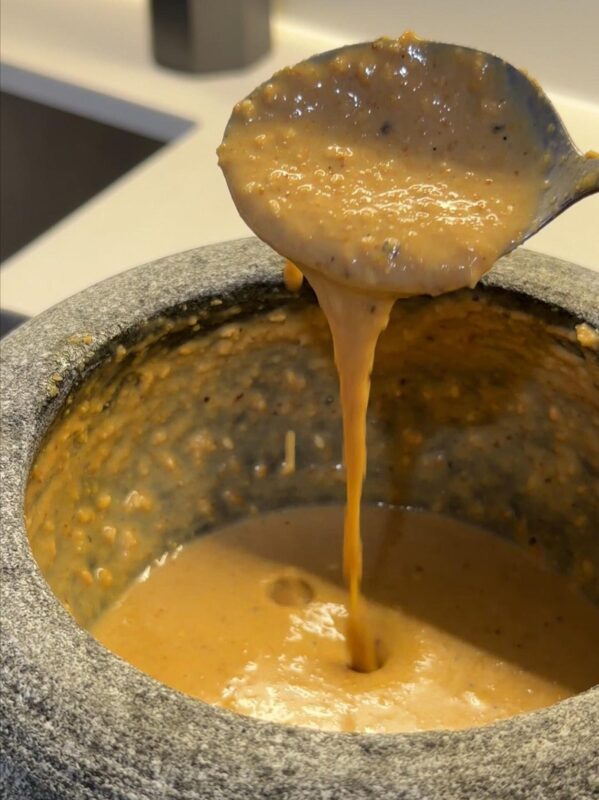
- 再放入红葱头,蒜头,椰糖,峇拉煎,鱼露,搅打成细腻的泥状。
- 提前把罗望子加水,稀释出罗望子泥后,用过滤网过滤掉种子和纤维,备用。
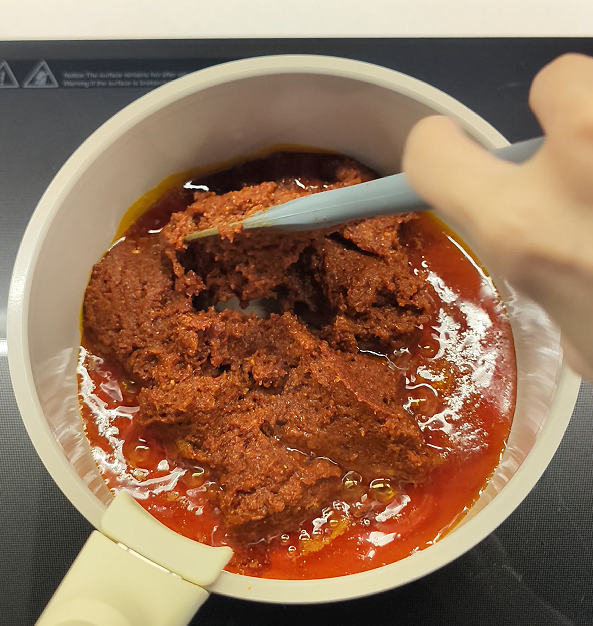
- 锅子倒入食用油,再加入磨好的辣椒泥,用中小火把辣椒泥炒至油脂再次渗出来,同时也变成深红色。
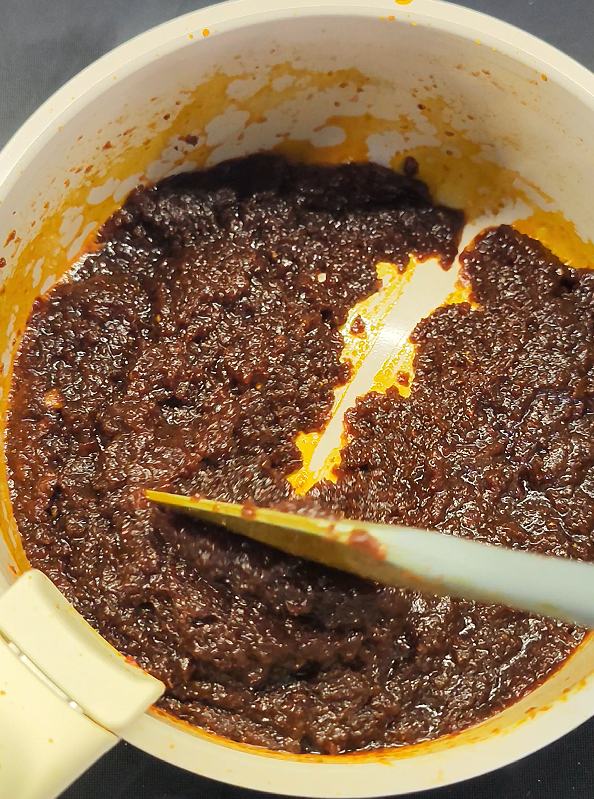
- 加入罗望子泥到辣椒酱里,再继续用小火炒大约10分钟左右,让罗望子泥的水份蒸发,也让味道融合进辣椒酱。
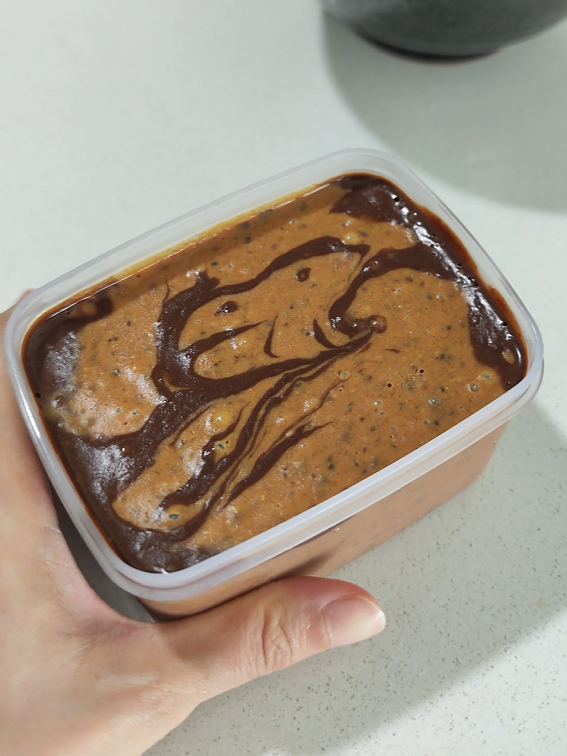
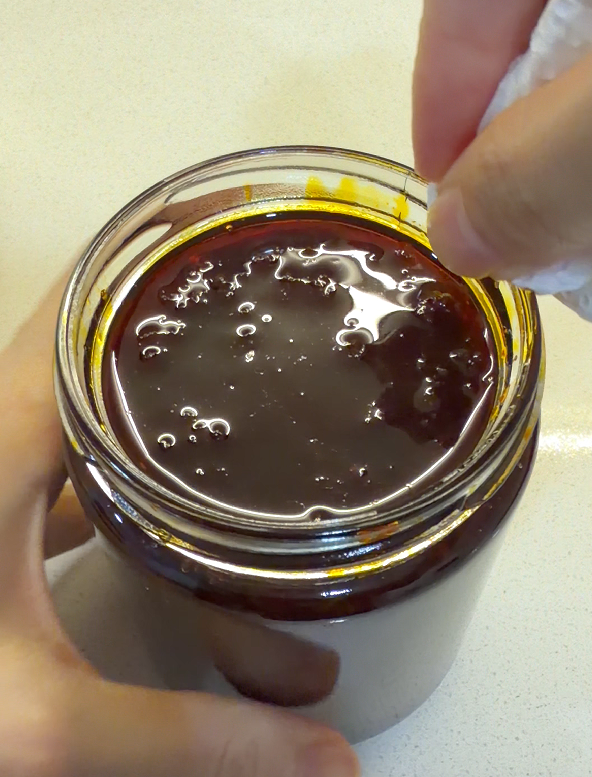
- 辣椒酱放凉以后装入密封罐子里,把酱料压平,让油脂没过,既可冷藏~
阿琴小贴士
磨碎食材
如果家中的料理机比较难把所有香料打成细腻,那可以分成2-3批来打碎,甚至是可以借助用来炒辣椒酱的一部分食用油,一起把食材磨成泥状。
如何储存&使用
放凉的辣椒酱立即密封冷藏,建议在2个月内用完。如果吃得比较慢,那可以用分装袋或者磨具按用量分装,冷冻储存,以便延长保质期哦~
那这个辣椒酱应该如何用呢?就如我们用其它辣椒酱一样,Nam prik pao可以用来:
- 炒菜
- 炒饭,炒面
- 煮汤
- 抹面包
- 直接搭配主食,作为佐料
食材 Ingredients
步骤 Method
- 把干辣椒快速清洗一遍,去蒂以后,确保份量足够,再剪成小段。
- 冷锅,放入干辣椒,用中火开始干炒,炒到辣椒完全干透,甚至有点脆和焦香,倒出一个碗中。
- 同样倒入虾米干炒,炒至水份完全干透,炒出香味。
- 锅子里再放入红葱头和蒜头,把它们平坦铺开,用中火干煎,无需翻面,煎至有点焦(如图显示)
- 尽量避开碗底的种子,把干辣椒倒进料理机里磨碎。
- 接着放入虾米,一起打磨碎。
- 再放入红葱头,蒜头,椰糖,峇拉煎,鱼露,搅打成细腻的泥状。
- 提前把罗望子加水,稀释出罗望子泥后,用过滤网过滤掉种子和纤维,备用。
- 锅子倒入食用油,再加入磨好的辣椒泥,用中小火把辣椒泥炒至油脂再次渗出来,同时也变成深红色。
- 加入罗望子泥到辣椒酱里,再继续用小火炒大约10分钟左右,让罗望子泥的水份蒸发,也让味道融合进辣椒酱。
- 辣椒酱放凉以后装入密封罐子里,把酱料压平,让油脂没过,既可冷藏~
小贴士 Tips
Nam Prik Pao is essentially a type of sambal (chili paste), quite similar to many local sambals that use dried shrimp—it’s fragrant, spicy, and a little sweet. In Thailand, this chili paste is one of the most commonly used condiments, especially the world‑famous Tom Yum soup relies on Nam Prik Pao as its core seasoning. Of course, since it’s also a sambal, its usage go far beyond Tom Yum—it’s wonderfully versatile in all kinds of dishes!
Nam Prik Pao
- Why you’ll love this chili paste?
- All you need
- Ingredients Notes
- Dried chilis
- Balachan
- Steps of making
- Cheen’s little tips
- Blended ingredients
- Storage and Usage
- What I Use
Why you’ll love this Thai style sambal?
Nam Prik Pao is a chili paste that’s spicy with a touch of saltiness, and within saltiness, you definitely can taste the sweetness. Its savory depth, the umami—comes almost entirely from seafood ingredients like dried shrimp, fish sauce, and belachan (fermented shrimp paste). With such a rich flavor profile, this sambal can make even a simple stir‑fried vegetable taste amazing! It’s one of my fridge essentials, because on lazy days, I can just spread some on bread, top it with a sunny‑side‑up egg, and that’s it, I’ll be very thankful and perfectly satisfied.
All you need
- 20g Sweet dried chili
- 30g Spicy dried chili
- 40g Dried shrimp
- 200g Shallot
- 80g Garlic
- 85g Gula Melaka
- 10g Belachan
- 3 tbsp Fish sauce
- 180g Palm Oil/Olive oil or any other oil with high smoking point
Asam Paste:
- 80g Tamarind pulp (asam jawa)
- 100g Water
Ingredients Notes
Dried chilis——
The weight of dried chilies in this recipe refers to the amount after removing the stems. And why do we use two different types of dried chilies? Because sweet dried chilies and hot dried chilies each bring their own unique flavor!
Sweet dried chilies are plumper in size, naturally sweet with very mild heat, and they bring the chili paste to a deeper red color that makes dishes look more appetizing. However, their thicker skin can be harder to grind—especially if your blender isn’t very powerful—so after washing, it’s best to cut them into small pieces before dry‑toasting.
Hot dried chilies are slimmer and mainly provide the spicy kick. There are also similar‑looking varieties that aren’t very spicy, so when buying, check the labels or ask the vendor. If you accidentally get the mild ones, the chili paste will taste even more diluted once added to dishes. Unless you prefer a lower heat level, make sure to choose the truly spicy long chilies!
Belachan (fermented shrimp paste)
Commercially available shrimp paste generally comes in two forms: the hard block and the soft paste. Locally, the block form is usually called belachan, while the paste form is referred to as ‘shrimp paste’ or ‘prawn paste’ to distinguish between them. When making chili pastes, belachan is typically the choice, because compared to the softer paste, its flavor is much more intense—just a small piece is enough. Unlike shrimp paste, belachan can’t simply be tossed into a stir‑fry or diluted straight into a soup like in Asam Laksa. And if you ever bite into a chunk of belachan raw, even a tiny tiny piece, that salty ‘aroma’ might just knock you out—haha!
~ Video Tutorial ~
Steps of making
- Rinse the dried chilies quickly, remove the stems, check the weight, then cut them into small pieces.
- In a cold pan, add the dried chilies and dry‑toast over medium heat until completely dry, slightly crisp, a little charred and fragrant. Transfer to a bowl.
- Do the same with the dried shrimp—dry‑toast until all moisture evaporates and the aroma comes out.
- Next, add shallots and garlic to the pan. Spread them flat, leave it to pan‑sear over medium heat until slightly charred (as shown in the picture).
- Try to avoid the seeds at the bottom of the bowl, then grind the dried chilies in a blender. Add the dried shrimp and grind together.
- Add shallots, garlic, and gula melaka, belachan, and fish sauce, blending into a smooth paste.
- Prepare tamarind by mixing with water, straining out seeds and fibers, and set aside.
- Heat cooking oil in a pot, add the blended chili mixture, and stir-fry over medium‑low heat until the oil splited out and the paste turns into deeper red.
- Add the tamarind paste to the pot, then continue frying over low heat for about 10 minutes, allowing the liquid to evaporate and the flavors to meld.
- Once cooled, transfer the chili paste into an airtight jar, press it flat, make sure they’re covered with oil. Store in the fridge.
Cheen’s Little Tips
Blending ingredients
If your blender struggles to process all the ingredients into a smooth paste, you can blend them in batches or even add a portion of the cooking oil (the same oil you’ll use later to fry the chili paste) to help blend everything into a fine mixture.
Storage and Usage
Once cooled, keep the chili paste in an airtight jar and refrigerate—it’s best consumed within 2 months. If you don’t use it up quickly, portion it into small freezer bags or moulds and freeze to extend its shelf life.
So how should you use this chili paste? Just like any other sambal, Nam Prik Pao can be used to:
- Stir‑fry vegetables
- Make fried rice or noodles
- Use in soup
- Spread on bread
- Serve alongside staple foods as a condiment
Full Printable Recipe
食材 Ingredients
步骤 Method
- Rinse the dried chilies quickly, remove the stems, check the weight, then cut them into small pieces.
- In a cold pan, add the dried chilies and dry‑toast over medium heat until completely dry, slightly crisp, a little charred and fragrant. Transfer to a bowl.
- Do the same with the dried shrimp—dry‑toast until all moisture evaporates and the aroma comes out.
- Next, add shallots and garlic to the pan. Spread them flat, leave it to pan‑sear over medium heat until slightly charred (as shown in the picture).
- Try to avoid the seeds at the bottom of the bowl, then grind the dried chilies in a blender. Add the dried shrimp and grind together.
- Add shallots, garlic, and gula melaka, belachan, and fish sauce, blending into a smooth paste.
- Prepare tamarind by mixing with water, straining out seeds and fibers, and set aside.
- Heat cooking oil in a pot, add the blended chili mixture, and stir-fry over medium‑low heat until the oil splited out and the paste turns into deeper red.
- Add the tamarind paste to the pot, then continue frying over low heat for about 10 minutes, allowing the liquid to evaporate and the flavors to meld.
- Once cooled, transfer the chili paste into an airtight jar, press it flat, make sure they’re covered with oil. Store in the fridge.
小贴士 Tips
声明 Disclosure:
以下的链接会带你到 Shopee,方便查看真实产品。请大家务必货比三家哦,有时候线下 market 会更便宜!如果你通过链接购买,我可能会获得少量佣金,作为支持阿琴继续创作的一小部分❤️,但不会增加你的费用哦~ 我只推荐自己实际使用并认可的产品,所有推荐均基于真实体验,也是阿琴长期复购的厨房调料,请放心参考!
The links below will take you to Shopee, making it easy to check out the actual products. Please do compare prices — sometimes local markets can be cheaper! If you purchase through them, I may earn a small commission ❤️ — a tiny sprinkle of support that fuels more recipes. This won’t add any extra cost for you. I only recommend products I personally use and trust; these are items I’ve repurchased many times, so you can be confident they’re truly my reliable picks.
我的好物分享 What I Use